





Dining chairs
Around the table, a chair is there for rushed breakfasts, family meals, and evenings that stretch on. The Nordlys dining chair collection is part of our selection of dining room furniture, with clean lines and materials that invite you to sit down. Wood, rattan, fabric, or corduroy: create a welcoming space that suits your decor and the way you entertain.
How do you choose a comfortable dining chair?
A dining chair’s comfort depends on its proportions as a whole. A welcoming seat isn’t enough if it’s too high in relation to the tabletop or if the backrest doesn’t suit the way you sit. Before choosing a style, consider your table, the space available, and how long your meals usually last.
Also consider the people who will share this space. A chair that’s easy to move makes everyday life simpler, while armrests can make long conversations more comfortable, as long as there’s enough room for everyone.
Seat height and clearance under the table
Measure not only the height of the tabletop, but also the height of its underside. An apron or drawer can reduce legroom. As a general guide, a gap of around 25 to 30 cm between the seat and the tabletop is often suitable for a standard dining table. You’ll still need to adjust this to suit your furniture and body shape.
If you choose armrests, compare their height with the actual clearance available under the table. A chair that can slide under the tabletop frees up space once the meal is over.
Seat depth, backrest, and support during meals
The seat depth should let you lean back without the front edge of the seat pressing against the backs of your knees. A very deep seat may look appealing, but it won’t necessarily suit every height. So check the usable dimensions, not just the product’s overall depth.
The backrest design matters just as much: its curve, height and angle all affect how supportive it feels. A wraparound backrest invites you to linger, while a more open design gives you greater freedom of movement. Padding adds softness, but it can’t make up for unsuitable proportions.
Wood, metal, rattan or fabric: which material should you choose for your chairs?
Materials shape the room’s atmosphere as much as the dining experience. When choosing, distinguish between the frame, which supports the chair, and the upholstery on the seat and backrest. The same silhouette can have a very different look depending on whether it combines natural wood, dark metal, or colorful fabric.
Aim for a balance with the elements already in the room: the flooring, tabletop, light fixtures, and curtains are good places to start.
Wood and metal for a sturdy frame
Wooden chairs showcase the grain and add a warm presence, especially appealing in a bright dining room. Their character varies depending on the wood species, finish, and leg profile. A light tone makes the arrangement feel more airy, while darker wood adds depth.
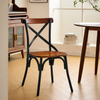
Metal creates more graphic outlines. It works just as well in a contemporary interior as in a workshop-inspired setting, as in our selection of industrial chairs. In both cases, durability depends on the model’s design, its joints and adherence to the usage conditions listed on its product page.
Bouclé, corduroy or rattan for texture
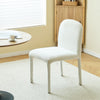
For a soft feel, fabric chairs bring color and texture that instantly warm up the space. Bouclé chairs enhance this effect with their textured surface. Corduroy adds a more regular ribbed texture, with shades that shift depending on the light.
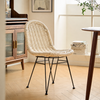
Rattan chairs offer a different look: their woven texture and openwork details create a sense of lightness. They naturally pair well with wood, linen or ceramics. When choosing between these materials, also consider how much maintenance you’re willing to do. A smooth surface and a fabric seat require different care. The product-specific guidelines remain your best reference, particularly for cleaning and any certifications.
How many chairs should you place around your dining table?
The number of seats depends on the length of the tabletop, as well as its base and the width of the chairs. As a general starting point, allow around 60 cm of width per person, then add more space for wide chairs or those with armrests. The table legs shouldn’t prevent anyone from sitting down comfortably.
For a round table, pay particular attention to the space between seats and how freely you can move around the base. For a rectangular table, also try the seats at the ends. Our guide to choosing a dining table for 4 to 6 people can help you match the dimensions to your entertaining habits.
Sets of 2 or 4, when available, let you build your set gradually. A dining table bench can complement the chairs along one side. Measure its length and make sure there's enough room to access it so everyone can get up easily.
Matching or mixing dining chairs
A matching set creates a calm rhythm, which is especially appealing in a room that already has plenty of color. To mix and match your chairs elegantly, keep one common thread: the same seat height, a family of shades, or a shared material. For example, you could vary the backrests while keeping the legs similar.
Limit contrasts to a few clear choices. Two dining armchairs at the ends and slimmer chairs along the sides add character without overwhelming the overall look. If you’re also changing your dining table, consider the whole arrangement before choosing each piece separately. Finally, think about the view from the living room: the backs of the chairs play a full part in the decor.
Care for your chairs so you can enjoy meals around the table for years to come
Regular, gentle care helps preserve the beauty of the materials. Dust the frames with a soft cloth. For textiles, use a suitable attachment on a low setting if the care instructions allow, then treat stains promptly by blotting without rubbing. Always test a cleaning product on an inconspicuous area and avoid soaking the seat.
Wood and rattan fare best in a stable indoor environment, away from direct heat sources. Protect your floor with suitable felt pads, and lift the chairs when moving them. An occasional check of the fastenings, following the assembly instructions, rounds out these simple steps. This helps you enjoy a welcoming dining space designed for everyday use as well as larger gatherings.